1
Crawler readiness
Potential public fetch/access based on observable rules and supported checks.


Free AI crawler access check
Review bounded public page and robots access evidence without testing named AI crawlers.
This bounded public check shows supported evidence only. Review the result before making a site change.
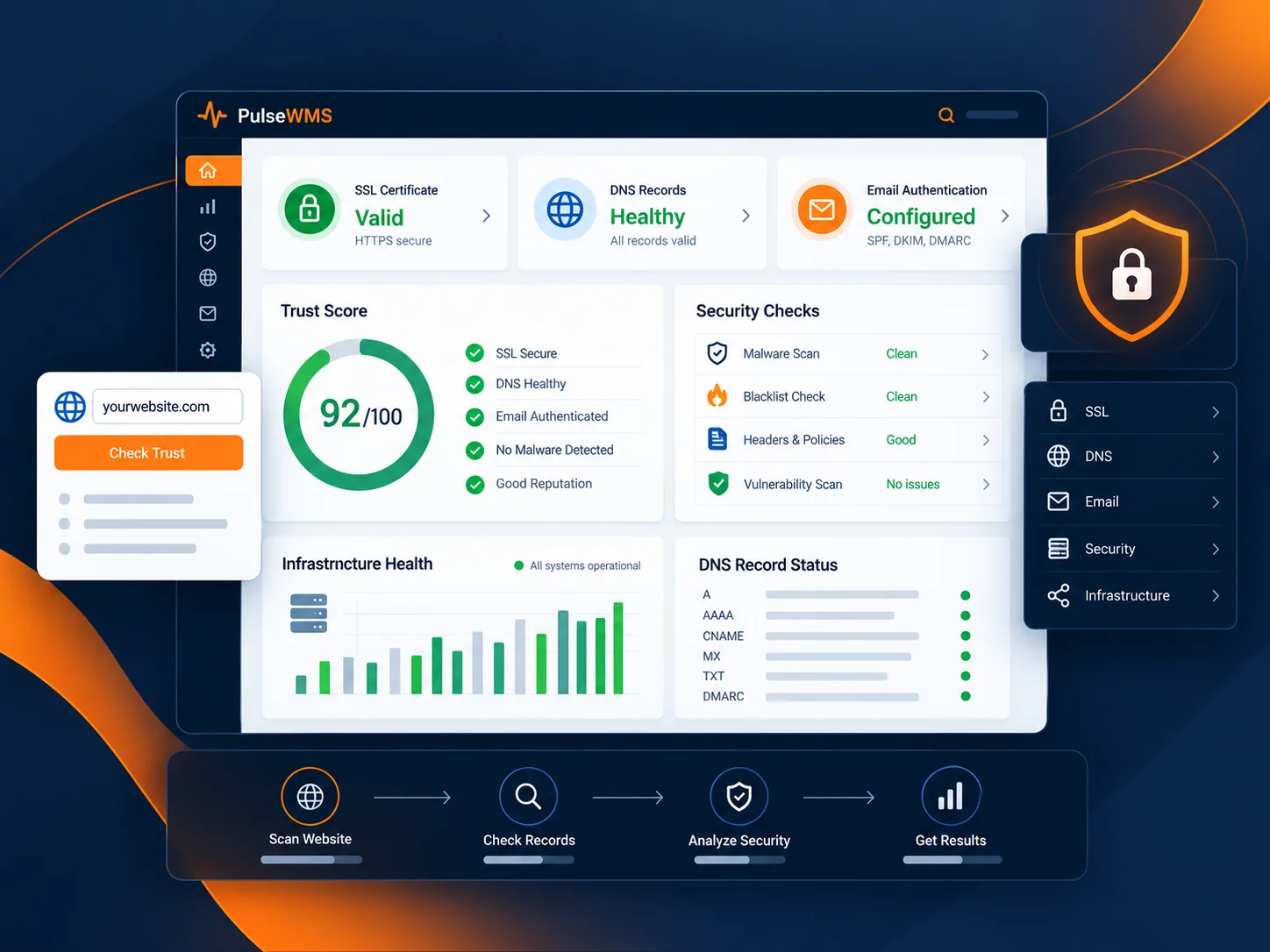
AI Crawler Readiness describes whether a website’s public access rules and supporting technical signals appear compatible with the AI crawlers the checker knows how to evaluate. It does not prove that an AI provider has crawled, indexed, cited, or recommended the website.
Each supported result maps to observed evidence, a status, why it matters, and next-step guidance. Unavailable evidence remains not checked rather than being inferred.
Potential public fetch/access based on observable rules and supported checks.
Observed provider outputs that mention, cite, or recommend a website.
Crawler readiness is whether a bot can potentially fetch a public website based on observable rules. AI visibility is whether provider outputs actually mention or cite it. Allowed access is not visibility in ChatGPT.
1. Check
Run the current public URL.
2. Fix
Use the observed evidence to update the responsible setting.
3. Recheck
Confirm the public signal after caches or deployments settle.
Why continuous monitoring can matter
Robots deployments, CDN or firewall rules, bot management, CMS changes, llms.txt updates, redirects, and HTTP responses can change the public state. Monitoring helps when those technical states are operationally important.
Save and monitor this website
Review public robots.txt and a declared same-host sitemap.
Open checkerFor agencies
A one-time checker is useful after a configuration change. Agencies can use supported Pulse workflows when public access signals need repeatable review across client sites.
llms.txt is a supporting convention intended to provide concise machine-readable guidance or content references. Its presence does not guarantee crawling, citations, or rankings.
Rules can differ by user-agent. Make deliberate access choices, and do not infer named crawler support beyond the canonical checker’s evidence.
This is a bounded technical snapshot. It does not call AI providers, validate llms.txt, or create a PulseWMS website record.
Use the bounded evidence above to take the next appropriate action, then return to the same public URL after a change.
Recheck this website